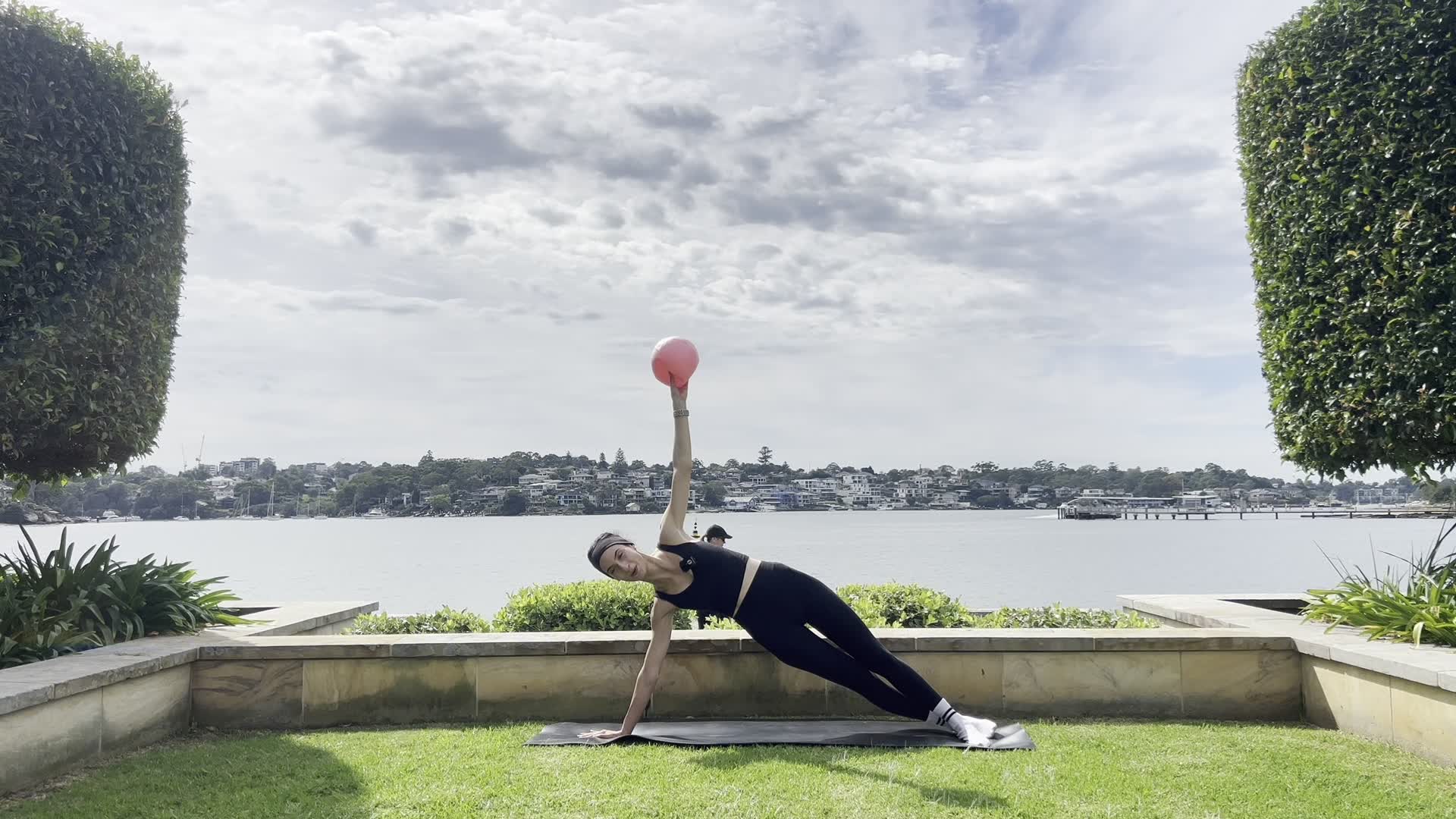
Starting Pilates for beginners at home can feel a little overwhelming at first. You might be wondering if you are doing it right, if you need equipment, or if it will actually work. I get it. I started Pilates during lockdown, in a small space, just trying to move my body and feel a little better. No pressure. No expectations. And that is the beauty of it.
You do not need a studio. You do not need to be flexible. You do not need to be strong. You just need to start. Because Pilates is not about pushing harder. It is about moving with intention. It is about building strength from the inside out. And when you stay consistent, the results feel natural, steady, and real.
"You don't need to be fit to start Pilates. You just need to start Pilates to get fit."
What Is Pilates and Why Is It So Effective for Beginners at Home?
Pilates is a low-impact workout that focuses on core strength, posture, flexibility, and controlled movement. Every exercise is slow and intentional. You are not rushing through reps. You are connecting to your breath, engaging your muscles deeply, and building strength in a way that supports your whole body - from the inside out.
This is why Pilates for beginners at home works so well. The slow, deliberate nature of the practice means you do not need to already be fit or strong to get started. You build those qualities through the practice itself. Research consistently supports this approach - studies show that regular Pilates improves core strength, posture, balance, and flexibility, while also reducing stress and improving overall wellbeing. Read more ↗
It feels different from other workouts because it is built differently. It is not about exhaustion. It is about alignment, strength, and results that actually last.
When I first started Pilates, I could not hold a plank for more than 10 seconds. I had no core awareness, no flexibility, and no idea what "neutral spine" meant. Three years later, I teach it every day. You genuinely do not need to start strong. You just need to start.
Why Pilates for Beginners at Home Works Better Than You Think
There is something powerful about moving your body in your own space. Pilates for beginners at home removes the pressure and the comparison that can come with a group studio class. It allows you to focus entirely on yourself - your breath, your body, your pace.
It fits into your real life - no travel time, no rigid schedule, no booking two weeks in advance. You can move when it suits you, whether that is before the kids wake up, during your lunch break, or after dinner when the house is finally quiet. And because the barrier to showing up is so low, consistency becomes genuinely achievable. That consistency is where everything shifts - your strength, your posture, your confidence, and your energy.
If you are ready to follow guided sessions from a full library of beginner-friendly classes, you can explore all classes here. Every class is no-equipment, filmed for home, and built to be clear and accessible no matter where you are starting from.
What You Need to Start Pilates for Beginners at Home
This is one of the most common questions I get - and the answer is genuinely simple. You do not need much at all to begin your Pilates ritual. Here is your complete list.
-
01
A mat or soft surface A yoga mat is ideal and worth having long-term. But a folded blanket, a carpet, or any soft surface works perfectly when you are just getting started. Do not let the absence of a mat stop you from beginning today.
-
02
A small, clear space You need roughly the length of your body and enough room to extend your arms to each side. That is it. A living room, a bedroom, even a balcony - wherever works for you is the right place.
-
03
Comfortable clothes you can move in Nothing specific required. Leggings and a top, or whatever you are comfortable moving freely in. Pilates is typically done barefoot, which actually helps with proprioception and foot stability.
-
04
A guided programme you trust This is genuinely the most important thing on the list. Having clear, well-taught guidance removes the guesswork and helps you build correct habits from the very beginning. You can explore membership options here - all plans include a 7-day free trial.
A Simple Beginner Pilates Routine to Start Today
When you are starting out, less is genuinely more. Focus on control, not intensity. Here is a gentle five-move beginner flow that builds the foundational body awareness every good Pilates practice is built on.
-
1
Breathing and Core Connection Lie on your back with knees bent, feet flat. Inhale through your nose, letting your ribcage expand wide. Exhale slowly and gently draw your lower belly in and up. Repeat 5 times. This is the foundation of everything in Pilates - your breath drives every movement.
-
2
Pelvic Tilts From the same position, slowly tilt your pelvis backward so your lower back presses into the mat, then return to neutral. Repeat 8 to 10 times. This builds spinal awareness and activates the deep core without any strain.
-
3
Glute Bridges Press through your feet and lift your hips toward the ceiling, squeezing your glutes at the top. Hold for 2 seconds. Lower slowly with control. Repeat 10 times. This strengthens the glutes, hamstrings, and lower back - all in one simple movement.
-
4
Toe Taps Bring both legs to tabletop position. Keeping your core engaged and your lower back connected to the mat, slowly lower one foot to tap the floor, then return. Alternate sides for 10 reps each. This is one of the best exercises for building deep core stability.
-
5
Cat-Cow Stretch Come to hands and knees. On your inhale, drop your belly and lift your gaze (cow). On your exhale, round your spine toward the ceiling (cat). Move through 8 slow, fluid repetitions. This releases spinal tension and builds the breath-movement connection that defines good Pilates.
This five-move routine takes less than 15 minutes and covers every foundation of Pilates - breathing, core activation, glute strength, spinal mobility, and body awareness. Come back to it in your first week as many times as feels good. Repetition builds the muscle memory that makes everything else click faster.
What Real Results From Pilates for Beginners at Home Look Like
This is what everyone wants to know - and the honest answer is that results come in layers. They build steadily, week by week, and compound beautifully over time. Here is what you can realistically expect.
Pilates for Beginners at Home vs High-Intensity Workouts
If you have tried HIIT, gym classes, or intense cardio programmes before and found them hard to stick to, this comparison might explain why Pilates feels so different - and why it tends to be the practice women actually maintain long term.
| Factor | Pilates at Home | High-Intensity Workouts |
|---|---|---|
| Impact level | ✓ Low impact - joint friendly | × High impact - harder on joints |
| Focus | ✓ Control, alignment, intention | Speed, intensity, calorie burn |
| Core strength | ✓ Deep, functional core training | Surface-level core engagement |
| Posture benefits | ✓ Central to every session | Rarely addressed directly |
| How you feel after | ✓ Energised, calm, strong | Often exhausted, sore for days |
| Long-term consistency | ✓ Very sustainable | Harder to maintain - burnout risk |
| Equipment needed | ✓ None required | Often requires equipment or gym |
Common Beginner Mistakes - and How to Avoid Them
Starting something new always comes with a learning curve. These are the four mistakes I see most often in beginners - and exactly how to move past them.
Your Simple Beginner Pilates Weekly Plan
Not sure how to structure your first week? This is the plan I recommend to every beginner who joins the community. It is achievable, balanced, and designed to build the habit without overwhelming your body.
- Monday15 min core foundation session
- TuesdayRest or gentle 10 min stretch
- Wednesday20 min full body Pilates
- ThursdayRest day - walk if you feel like moving
- Friday15 min core and glutes
- SaturdayLight stretch or short walk
- SundayFull rest - nourish and recover
Once this feels comfortable - usually around week three - you can begin adding a fourth session and gradually increasing session length. The Premium Membership includes a weekly workout schedule that is already built for you, so you never have to figure out what to do next. Just open it and follow along.
How to Stay Consistent With Pilates for Beginners at Home
Motivation is a feeling - and feelings come and go. Consistency is a system. Here is how to build one that actually works when life gets busy and motivation dips.
Attach your practice to something that already exists in your day. Pilates right after your morning coffee. Ten minutes while dinner cooks. A stretch session after the kids go to bed. The habit does not need to be long - it needs to be anchored to something reliable. Keep your mat visible - rolled out and ready - so the visual reminder removes the friction of getting started.
Follow a structured plan rather than deciding what to do each day. Decision fatigue is real and it quietly kills good intentions. When you open the membership and your schedule is already built, all you have to do is show up. That is it. To learn more about building a sustainable practice, you can read about Mel's approach here.
Movement is only part of the picture. When you pair consistent Pilates with anti-inflammatory, nourishing food choices, the results compound significantly. Think whole foods, plenty of water, and meals that make your body feel genuinely good from the inside. The recipes page has easy, nourishing ideas that pair beautifully with a beginner Pilates routine - nothing complicated, just real food that supports your glow.
Frequently Asked Questions
Sources and Further Reading
- Healthline - 12 Benefits of Pilates Backed by Science
- PubMed / NIH - Bodyweight resistance training outcomes: strength, tone, and core function
- NIH / National Library of Medicine - Pilates for improving physical and mental wellbeing: a systematic review