
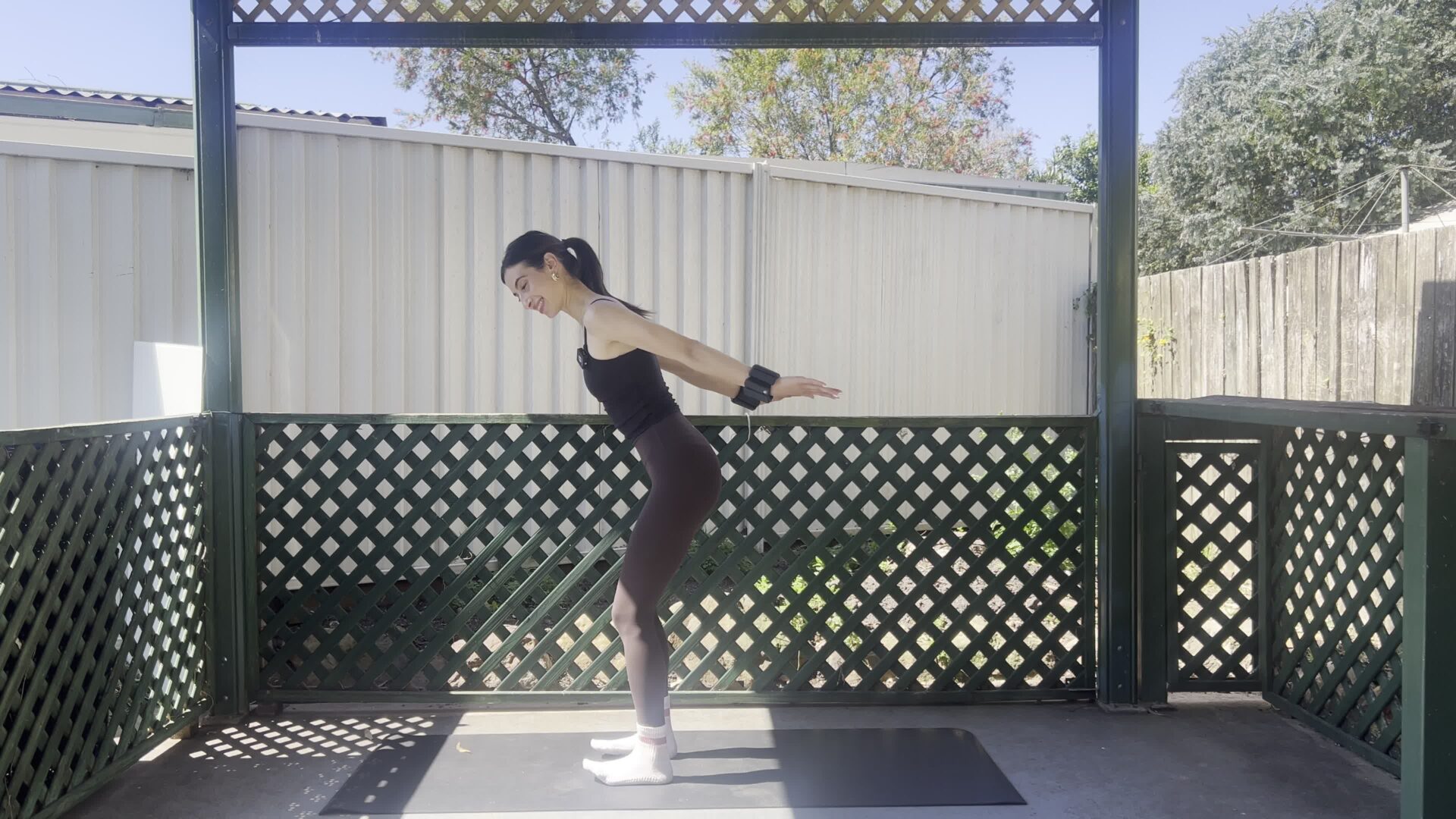
Can you do Pilates every day? It is one of the most common questions I get - and I completely understand why. Once you start Pilates and feel how good it is for your body, it is natural to want more of it. More of that grounded, connected feeling after a session. More strength building, more postural improvement, more of whatever it is that makes Pilates feel so different from everything else you have tried.
But alongside that desire, there is usually a cautious voice asking: is daily Pilates actually a good idea, or is it too much? In this post I am going to answer that question honestly and specifically - because the answer is more nuanced than a simple yes or no, and getting it right is what determines whether daily Pilates transforms your body or quietly burns you out.
"It is not about whether you can do Pilates every day. It is about whether what you are doing every day is actually serving your body."
Can You Do Pilates Every Day? The Honest Answer
Yes - for most women, you can do Pilates every day. Pilates is low-impact, controlled, and specifically designed to support your body rather than strain it. Unlike high-intensity training that stresses the joints and central nervous system and requires significant recovery time, Pilates works with your body's natural movement patterns and recovery capacity. Research supports regular, consistent movement as one of the most powerful contributors to long-term health and physical wellbeing. Read more ↗
Why Pilates Is Different From Workouts That Cannot Be Done Daily
Understanding why daily Pilates is possible - when daily HIIT or heavy lifting is not - comes down to how Pilates works on your body compared to other forms of exercise.
- Low-impact - no joint stress or impact forces
- Controlled movement - does not spike cortisol
- Nervous system regulating - calms rather than taxes
- Breath-driven - actively supports recovery
- Scalable intensity - strong days and soft days both fit
- Improves mobility even on "easy" days
- Builds endurance rather than acute muscle damage
- High impact - stresses joints and connective tissue
- Spikes cortisol - requires 24 to 48 hours to clear
- Taxes the central nervous system significantly
- Creates acute muscle damage needing repair time
- Cannot be safely scaled to "easy" without changing exercise type
- Risk of overtraining syndrome increases quickly
What Daily Pilates Actually Looks Like - The Three Session Types
If you are asking can you do Pilates every day, the most important thing to understand is that "daily Pilates" does not mean the same session every day at the same intensity. A sustainable daily practice rotates through three different session types - and knowing when to use each one is what keeps your body progressing rather than plateauing or burning out.
This three-type approach is what separates a daily Pilates practice that transforms your body from one that burns you out within a month. You can explore all three session types across the full class library here - every category is designed to work together as part of this kind of balanced daily practice.
On my own schedule, I do not approach every day the same way. Monday and Wednesday tend to be my stronger sessions - core or full body. Tuesday I stretch. Thursday and Friday I do something in between. The weekend I usually do something short and gentle, or I rest fully. The variety is what makes it feel sustainable rather than like a grind. I never dread getting on the mat because I am not asking my body to go hard every single day.
The Real Benefits of Daily Pilates When Done Right
When approached with the right variation and intensity balance, daily Pilates delivers compounding benefits that weekly or three-times-per-week practice simply cannot match at the same speed.
Can You Do Pilates Every Day? Warning Signs You Are Overdoing It
Even though daily Pilates is generally safe and beneficial, there are important signals to watch for - particularly if you are defaulting to the same high-intensity sessions every day without adequate variation or lighter days built in.
-
Persistent fatigue that does not improve with rest Normal muscle fatigue after a strong session resolves within 24 to 48 hours. If you are feeling chronically tired regardless of sleep, you may need to shift your ratio toward lighter and restorative sessions for a week.
-
Muscle soreness that stays for more than 48 hours Some soreness after a strong session is normal and expected. Soreness that persists for three days or more, or that gets worse rather than better, is a signal that your body needs more recovery time before the next challenging session.
-
Loss of motivation or dreading your sessions Pilates should feel like something you want to do. If you consistently dread getting on the mat, this is not a willpower issue - it is a sign that the intensity or frequency is mismatched with what your body and nervous system need right now. Pull back, go lighter, and let enjoyment come back naturally.
-
Feeling more depleted after sessions than before A Pilates session should leave you feeling energised, grounded, and clear - not depleted. If you consistently feel worse after your sessions than before them, your intensity dial is too high and your body is asking for gentler movement and more recovery.
A 10-minute stretch session on a tired day counts. A gentle breathwork session on a depleted day counts. Showing up in whatever way your body can manage on any given day is infinitely more valuable than either pushing through at full intensity or skipping entirely. The goal of daily Pilates is to build a relationship with movement that sustains - not one that demands and depletes.
A Sample Daily Pilates Weekly Plan That Actually Works
Here is what a realistic, sustainable daily Pilates week looks like in practice. This is the structure I recommend to members who want to move every day without burning out. Adjust intensity based on how your body feels each morning.
- MondayCore or full body class (25 to 35 min) - from the class libraryStrong
- TuesdayStretch and mobility session (15 to 20 min)Restore
- WednesdayBooty or upper body class (25 to 30 min)Strong
- ThursdayGentle stretch or breathwork (10 to 15 min)Restore
- FridayFull body class or core (20 to 30 min)Strong
- SaturdayLight movement - stretch or short flow (15 min)Light
- SundayFull rest or a 10 min gentle stretch if your body wants itRest
If this feels like a lot when you are starting out, begin with three to four sessions and build toward daily practice over four to six weeks. The Premium Membership weekly schedule is built around exactly this kind of variation - strong days, light days, and recovery built in. You just follow it rather than having to figure it out yourself.
What Results Look Like With Daily Pilates Practice
Here is an honest timeline for what consistent daily Pilates - done with the right variation - creates over time.
Supporting Your Daily Pilates Practice Off the Mat
Daily movement needs daily nourishment. If you are asking can you do Pilates every day, the answer is most sustainable when your recovery habits match the commitment of your practice.
The 7-day free trial inside the membership gives you full access to the class library across every intensity level - core, booty, full body, stretch, and upper body - plus the weekly schedule built around exactly the variation principle described in this post. No reformer, no charge today, cancel anytime. Just show up every day in whatever way your body needs - and watch what consistency does. To learn more about Mel's approach and philosophy, visit the about page.