If your body has been feeling a little off lately - low energy, bloated, stiff, or just not quite like itself - you are not alone. And more importantly, you are not doing anything wrong. Most women I speak to are already trying. Moving more, eating better, doing what they think they should. But here is what often gets missed: it is not just about what you do. It is about how well your body can actually respond to it.
This is where the anti-inflammatory diet and Pilates combination comes in. When you pair gentle, consistent movement with food that genuinely supports your body, something shifts. Not in a dramatic, overnight way - in a steady, grounded, this-feels-right kind of way. In this post I will walk you through why the anti-inflammatory diet and Pilates approach works so well, what it actually looks like in practice, and how to start building it into your life without any overwhelm.
"You are not just exercising. You are supporting your body from both sides - and that is when real change starts to happen."
What Is Inflammation and Why the Anti-Inflammatory Diet and Pilates Approach Addresses It
Inflammation is your body's natural response to stress, injury, or threat. Short-term inflammation is helpful - it is how your body heals. But when inflammation becomes chronic and low-level, it starts to affect how you feel every single day in ways that are easy to normalise but hard to ignore once you know what to look for.
Chronic inflammation does not always feel dramatic. It often shows up as a collection of quiet symptoms that most women chalk up to being "tired" or "getting older" or "just busy." Read more ↗
If several of those feel familiar, the anti-inflammatory diet and Pilates combination is designed to work directly on all of them - by reducing the internal stress load on your body through both movement and nourishment simultaneously.
Why Pilates Supports an Anti-Inflammatory Diet and Pilates Lifestyle
Pilates is not just about strength and toning - though it absolutely delivers both. At a deeper level, Pilates is a regulation practice. The slow, controlled movement combined with intentional breathwork actively calms the nervous system - and a calmer nervous system means lower cortisol, and lower cortisol means less chronic inflammation. This is supported by research connecting mind-body exercise practices to measurable reductions in stress markers and inflammatory indicators. Read more ↗
-
Breathwork directly reduces cortisol The lateral Pilates breath - inhaling wide through the ribs, exhaling and drawing the deep core in - activates the parasympathetic nervous system. This is the "rest and digest" state that counteracts the chronic low-level stress response driving inflammation.
-
Gentle movement improves circulation and lymphatic drainage Unlike high-intensity training which can temporarily spike inflammatory markers, Pilates supports circulation and lymphatic drainage without stressing the body. This helps your system clear inflammatory waste products more efficiently.
-
Regulated sleep quality Women who practise Pilates consistently report significantly improved sleep quality - and deep, restorative sleep is one of the most powerful anti-inflammatory tools available. Poor sleep is directly linked to elevated inflammatory markers.
-
Reduced muscle tension and physical stress Chronic muscle tension is both a symptom and a driver of inflammation. The stretch, mobility, and release work built into every Pilates session directly reduces the physical tension load your body is carrying day to day.
You can explore the full range of classes built around this approach - from core and full body to stretch and upper body - inside the class library here.
What an Anti-Inflammatory Diet Actually Looks Like
Let's simplify this - because the phrase "anti-inflammatory diet" can sound complicated, restrictive, or like another wellness trend to feel guilty about not following perfectly. It is none of those things. An anti-inflammatory diet is simply a pattern of eating that reduces the internal stress load on your body and gives it the building blocks it needs to function well, repair efficiently, and feel genuinely good.
- Dark leafy greens - spinach, kale, rocket
- Colourful berries - blueberries, raspberries, strawberries
- Healthy fats - avocado, olive oil, nuts, seeds
- Lean proteins - eggs, salmon, chicken, legumes
- Whole grains - oats, brown rice, quinoa
- Fermented foods - yoghurt, kefir, sauerkraut
- Herbs and spices - turmeric, ginger, garlic
- Plenty of water throughout the day
- Highly processed and packaged foods
- Excess refined sugar and artificial sweeteners
- Refined carbohydrates and white flour products
- Alcohol - even moderate amounts drive inflammation
- Industrial seed oils like canola and soybean
- Processed meats and fast food
- Foods you know you are sensitive to
This is not about perfection. It is not a diet you go "on" and "off." It is a pattern of choices that, when made consistently most of the time, creates a compounding anti-inflammatory effect that you can feel. The recipes page has a collection of easy, nourishing meal ideas built around exactly these principles - nothing complicated, just real food that makes your body feel genuinely good. Read more ↗
Why the Anti-Inflammatory Diet and Pilates Combination Works So Well Together
The reason the anti-inflammatory diet and Pilates combination is particularly powerful is that it addresses inflammation from both directions at once. Most approaches target either movement or nutrition - rarely both together. When you combine them, the effects multiply.
When I started combining intentional Pilates practice with genuinely nourishing food choices, the first thing I noticed was not weight loss or visible toning. It was energy. Consistent, steady energy throughout the day that I had not felt in years. Then came clearer skin, better sleep, and a body that felt genuinely supported rather than constantly fighting something. That is the anti-inflammatory diet and Pilates effect - and it is real.
Simple Anti-Inflammatory Meal Ideas to Pair With Your Practice
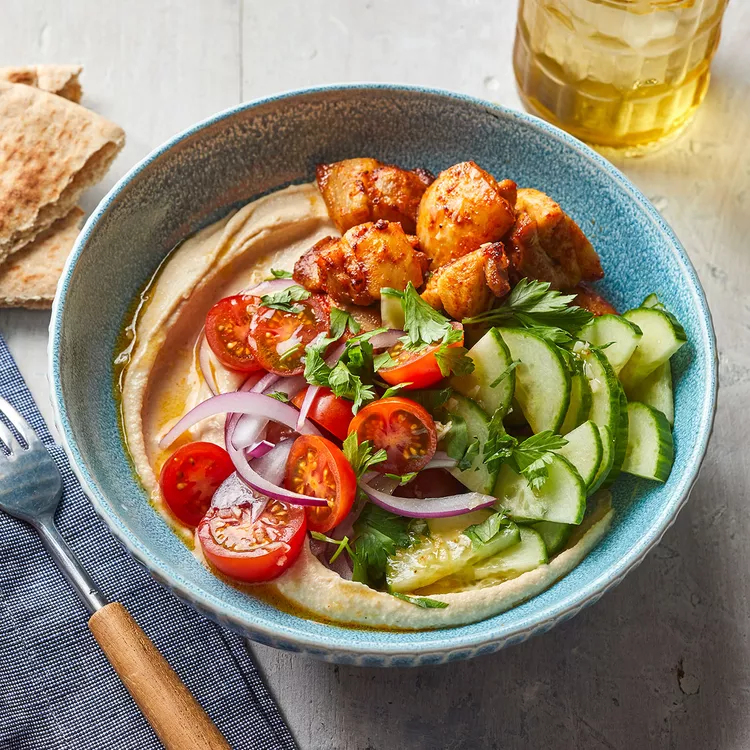
You do not need elaborate recipes or expensive ingredients to eat in an anti-inflammatory way. Here are three simple daily meal ideas that work beautifully alongside a consistent Pilates practice. For more detailed recipes, the recipes page has a full collection.
How to Start the Anti-Inflammatory Diet and Pilates Combination Without Overwhelm
The most important thing here is this: you do not need to overhaul your entire life to start feeling a difference. Small, consistent changes - made in the right direction - create compounding results over weeks and months. Here is the four-step approach I recommend to every woman who wants to try the anti-inflammatory diet and Pilates combination for the first time.
-
01
Start with 2 to 3 Pilates sessions per week Choose sessions that feel manageable - 15 to 20 minutes is genuinely enough to start. The class library has options across every length and focus area, so you can find what fits your week. Consistency matters far more than duration.
-
02
Add one anti-inflammatory meal per day Do not try to change everything at once. Start with one meal - breakfast is usually easiest - and make it genuinely nourishing. A smoothie with berries and collagen, eggs with avocado and greens, or a simple bowl of oats with nut butter and fruit. Build from there when it feels natural.
-
03
Increase your water intake deliberately Hydration is one of the simplest anti-inflammatory habits and one of the most neglected. Aim for 2 to 2.5 litres per day. Add lemon or cucumber if plain water is hard to maintain. Your digestion, skin, and energy will all respond noticeably within a week.
-
04
Follow a structured plan and stay consistent The Premium Membership includes a weekly workout schedule, access to the full class library, and the recipes collection - everything you need to run the anti-inflammatory diet and Pilates combination in one place. All plans include a 7-day free trial, no charge today.
Common Mistakes to Avoid With the Anti-Inflammatory Diet and Pilates Approach
What to Expect From the Anti-Inflammatory Diet and Pilates Combination Over Time
Here is a realistic, honest timeline for what most women experience when they commit to the anti-inflammatory diet and Pilates approach consistently.
The anti-inflammatory diet and Pilates approach is not a programme you complete. It is a way of living that your body genuinely thanks you for - with energy, clarity, comfort, and a quiet confidence that comes from feeling well in your own skin. To learn more about Mel's philosophy behind nourishment and movement, visit the about page. And for more lifestyle and movement guidance, explore the full blog here.