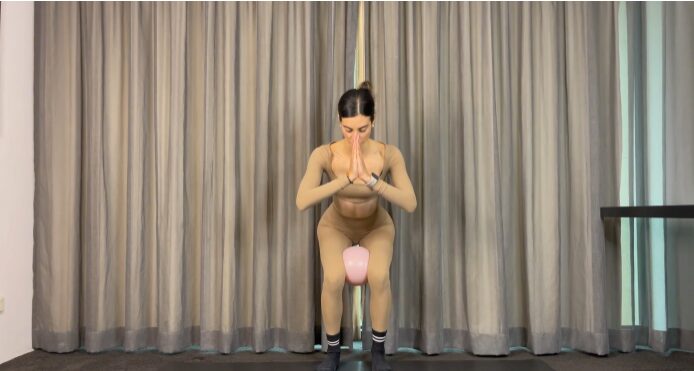
When people hear “30-day challenge,” they often imagine daily exhaustion or dramatic before-and-after photos.
Pilates works differently.
Doing Pilates for 30 days doesn’t mean pushing harder every day. It means moving with intention, improving alignment, and gradually building strength through controlled, low-impact movement.
A 30-day Pilates routine usually includes:
- Short sessions (10–30 minutes)
- Focus on core, posture, and mobility
- Breath-led movement rather than intensity
- Rest days or gentle flows when needed
Consistency matters more than duration.
Week 1: What You’ll Notice First
During the first week of doing Pilates for 30 days, most changes are internal.
You may notice:
- Increased awareness of your posture
- Mild muscle soreness, especially in the core
- Improved connection to your breath
- A feeling of “activation” rather than exhaustion
Pilates works deep stabilising muscles that aren’t always targeted in traditional workouts. That’s why soreness can feel different — subtle, but deep.
Week 2: Strength and Stability Begin to Build
By week two, your body starts adapting to the movements.
If you do Pilates consistently for 30 days, this is often when:
- Core strength feels more supportive
- Balance improves during daily activities
- Movements feel smoother and more controlled
- Posture begins to improve without effort
Many people also notice reduced stiffness in the hips, shoulders, and lower back around this time.
Week 3: Visible and Felt Changes
Week three is where many people start to feel the benefits of doing Pilates for 30 days.
Common changes include:
- Better muscle tone, especially in the core and glutes
- Increased flexibility without overstretching
- Improved body awareness during everyday movement
- Less tension held in the neck and shoulders
You may not see dramatic scale changes — but strength, posture, and confidence often feel noticeably different.
Week 4: The Real Benefits Set In
By the end of 30 days, Pilates begins to feel less like a workout and more like a habit.
People who complete 30 days of Pilates often report:
- Stronger core and pelvic stability
- Improved posture throughout the day
- Better movement efficiency
- Reduced aches from sitting or daily stress
More importantly, Pilates feels sustainable — not something you’re counting down to finish.
Physical Changes After 30 Days of Pilates
While results vary, doing Pilates for 30 days may support:
- Improved muscle tone without bulk
- Better posture and spinal alignment
- Increased flexibility and joint mobility
- Reduced lower back discomfort
According to Healthline’s overview of Pilates benefits, Pilates can improve strength, flexibility, balance, and overall body awareness when practiced consistently.
Mental and Emotional Benefits of Doing Pilates for 30 Days
The mental effects of Pilates are often just as noticeable as the physical ones.
Over 30 days, many people experience:
- Reduced stress and mental tension
- Improved focus and concentration
- Better sleep quality
- A calmer relationship with movement
Pilates encourages mindful breathing and present-moment awareness, which helps regulate stress and support emotional balance.
Can Pilates Change Your Body in 30 Days?
This is one of the most searched questions — and the honest answer matters.
Doing Pilates for 30 days can improve how your body feels and functions, but dramatic aesthetic changes usually take longer. What does change quickly is posture, muscle engagement, and confidence in movement.
Pilates sets the foundation for long-term results rather than short-term transformation.
How Often Should You Do Pilates in 30 Days?
You don’t need to do Pilates every single day to see benefits.
A realistic 30-day Pilates routine looks like:
- 3–5 sessions per week
- Short workouts (10–20 minutes)
- Mix of strength, mobility, and recovery-focused sessions
Rest days are part of progress.
Is Doing Pilates for 30 Days Good for Beginners?
Yes — and that’s one of Pilates’ biggest strengths.
Doing Pilates for 30 days is suitable for:
- Beginners starting movement again
- Busy people short on time
- Anyone wanting low-impact strength
- Those recovering from burnout or injury
Pilates adapts to your body rather than demanding extremes.
How to Make Your 30 Days of Pilates Stick
The success of doing Pilates for 30 days comes down to one thing: consistency.
To stay consistent:
- Choose workouts that fit your schedule
- Keep sessions short and achievable
- Focus on form over intensity
- Allow flexibility for low-energy days
At-home Pilates programs make it easier to stay consistent without the pressure of rigid schedules or travel.
Is 30 Days of Pilates Worth It?
If you’re asking “what happens if I do Pilates for 30 days?”, the answer is simple:
You move better.
You feel stronger.
You build a habit that doesn’t disappear after the challenge ends.
Thirty days of Pilates won’t punish your body — it will support it. And that’s why so many people keep going long after the 30 days are up.