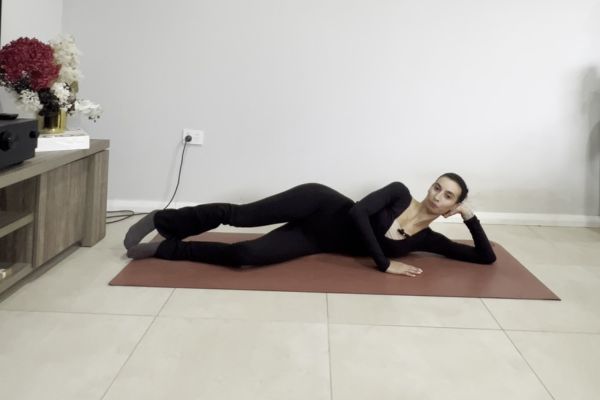
If you’ve ever taken a Pilates class and wondered why your instructor keeps talking about control, flow, and breathing—you’ve already brushed up against the six rules of Pilates.
These principles aren’t just there to make your workout sound fancy. They’re the foundation that turns simple movement into mindful strength and lasting results. Whether you’re a beginner doing Pilates at home or deep into your practice, these rules can completely transform how you move, feel, and carry yourself throughout the day.
So, let’s break down the six rules of Pilates—in plain English, with zero fluff.
1. Concentration — Be Fully Present
This one’s the heart of Pilates. Every exercise starts in your mind.
When you focus your attention on your breath, posture, and form, you activate the connection between mind and body that Pilates is famous for. Concentration helps you move with purpose instead of rushing through reps on autopilot.
It’s not about tuning out; it’s about tuning in.
The more mentally present you are, the more effective every small movement becomes.
For a deeper understanding of how focus and mindfulness enhance body awareness, check out Healthline’s beginner Pilates guide.
2. Control — Every Movement Has a Purpose
One of the golden rules of Pilates is control. You don’t throw your body into motion—you guide it.
That’s why Pilates feels calm but burns deep. Controlled movement prevents injury, builds endurance, and activates muscles you didn’t know existed.
When Joseph Pilates created this method, he believed control was the key to true physical freedom.
So instead of chasing speed or intensity, focus on precision and flow.
3. Centering — Power Comes from Your Core
In Pilates, your core isn’t just your abs—it’s your powerhouse.
It includes your lower back, hips, glutes, and inner thighs—the stabilizers that keep your body aligned.
Centering trains your body to move from the inside out. Every exercise—whether a plank, roll-up, or bridge—starts from that powerhouse.
Once you learn to engage your center, everything else falls into place: better posture, more balance, and that grounded, lifted feeling Pilates lovers can’t stop talking about.
Learn more about why core strength matters in Medical News Today’s overview of Pilates.
4. Flow — Move With Grace
Pilates isn’t about jerky, stop-and-go reps. It’s about flow.
Each movement transitions smoothly into the next, like a conversation between strength and breath.
When you move fluidly, you improve coordination, balance, and endurance.
Flow also trains your nervous system to stay calm and focused—a reminder that grace can exist even when life feels chaotic.
As Healthline’s article on the benefits of Pilates explains, continuous motion helps improve circulation, muscle control, and mental clarity.
5. Precision — The Power of Small Adjustments
Pilates is a detail-oriented practice.
One inch forward or one breath deeper can completely change how a move feels.
That’s why instructors correct alignment constantly—it’s not nitpicking; it’s refinement. Precision teaches your muscles the correct way to move and builds stronger, more efficient patterns over time.
In short: Pilates rewards quality over quantity.
Ten precise reps are better than thirty sloppy ones.
6. Breathing — The Rhythm of Movement
Last but not least, breathing—the unsung hero of Pilates.
Proper breathing fuels your body with oxygen and helps you maintain control through each movement.
Inhale deeply through the nose, expanding your ribs; exhale fully through the mouth, engaging your core.
Your breath acts like an internal metronome, syncing your body and mind.
When you breathe intentionally, you activate your deep core, release tension, and stay present—on and off the mat.
Why the Rules of Pilates Matter
The rules of Pilates aren’t just guidelines for a workout; they’re principles for better living.
They teach awareness, balance, and intentionality—skills that carry into how you walk, sit, breathe, and handle stress.
When you apply these six rules consistently, you’ll notice:
- Better posture and alignment
- Stronger, leaner muscles
- Improved flexibility and control
- More energy and mental clarity
They don’t just change your body—they shift your mindset.
Applying the Rules in Your Everyday Practice
Here’s the thing — the rules of Pilates aren’t just for when you’re on the mat.
They sneak into everyday moments — when you’re sitting at your desk, carrying groceries, or chasing the kids around the yard.
When you apply concentration and control outside your workout, your posture improves naturally. Centering helps you stay grounded when life gets chaotic. Flow teaches you to handle daily tasks with ease, not tension. And yes — even your breathing changes how you show up in your body.
If you’re new to Pilates, start small. You don’t need a reformer or a fancy setup—just your mat and a few mindful minutes.
- Reflect. After class, jot down one thing you did better today than yesterday.
- Begin with breath. Before any movement, pause and breathe deeply.
- Engage your center. Pull your navel gently toward your spine.
- Slow it down. Focus on quality, not speed.
- Stay curious. Notice how your body feels each time you move.
Try focusing on one each week:
- Week 1: Concentration — stay fully present during each move.
- Week 2: Control — slow it down.
- Week 3: Centering — engage your powerhouse.
Before long, these principles will become second nature. You’ll move with more ease, strength, and confidence—without even thinking about it.
If you’ve been doing Pilates online in Australia, you’ve probably already felt these shifts: fewer aches, more energy, and that quiet strength that builds from consistency.
That’s what makes Pilates so powerful — it doesn’t demand perfection; it rewards awareness.
So next time you roll out your mat (or don’t!), remember: the magic of Pilates is in how it teaches you to move through life, not just in class.
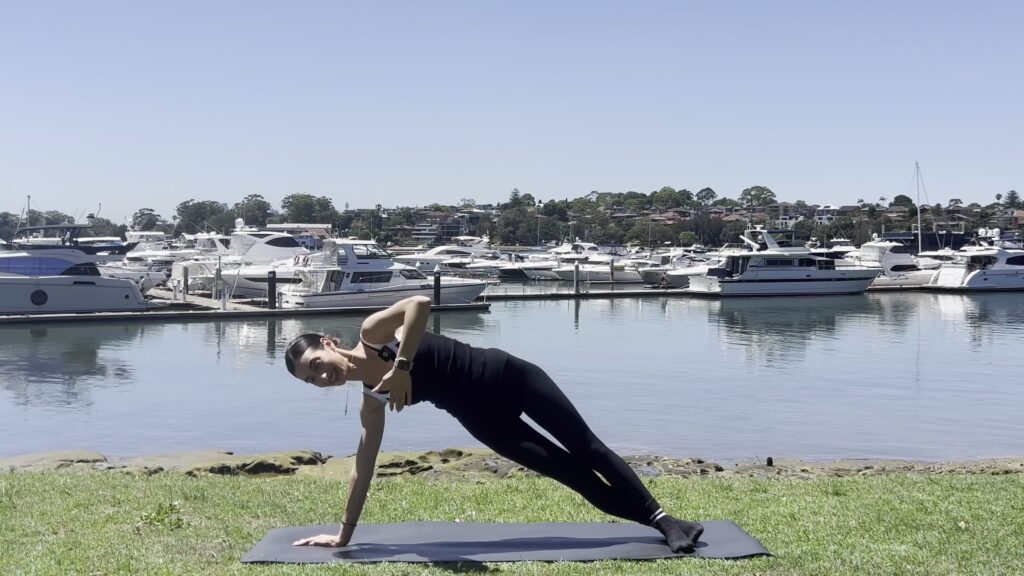
Start Your Mindful Pilates Journey
At Pilates Classes Online, we believe Pilates is more than a workout—it’s a way to connect with your body and mind.
Join our at-home classes designed for all levels, and learn to apply these six rules of Pilates in every session.
You’ll move better, feel stronger, and rediscover the calm within the chaos.